Green and Fashionable: Fresh Produce Boxes Packaging of Tomorrow
The landscape of fresh produce packaging is evolving. Sustainability and style are becoming essential for appealing to eco-conscious consumers. These shoppers seek packaging that decreases environmental impact while preserving aesthetic appeal. Creative solutions and materials are developing to satisfy these needs. The relationship between functionality and visual appeal prompts important questions about the future of packaging in this sector. What solutions will define the next generation of fresh produce boxes?
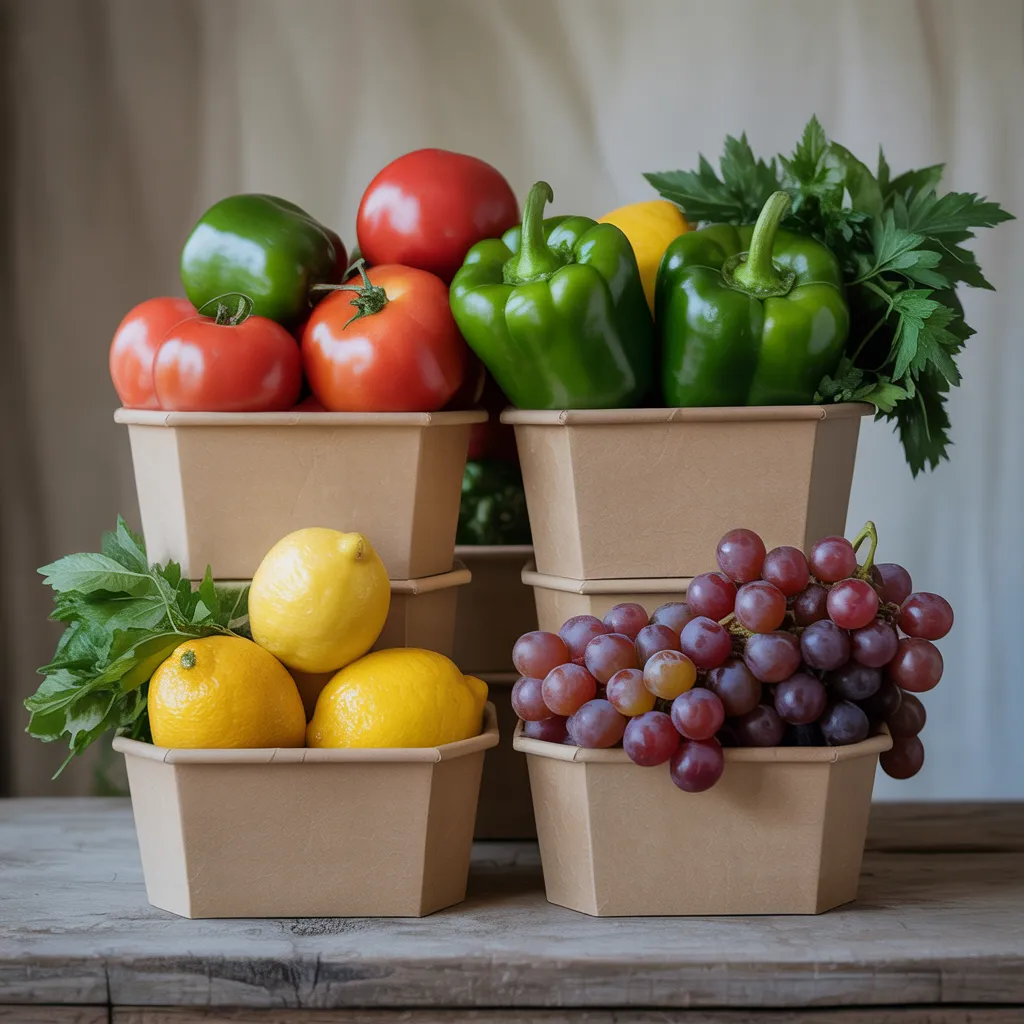
The Importance of Sustainable Packaging in Fresh Produce
Sustainability emphasizes the expanding need for green practices in the food industry, especially in the packaging of fresh produce. Conventional packaging methods frequently rely on plastics that lead to environmental degradation and waste. By moving towards sustainable packaging solutions, the industry can significantly reduce its ecological footprint. Materials such as biodegradable plastics, recycled paper, and plant-based alternatives are becoming more popular, encouraging both environmental integrity and consumer appeal.
Furthermore, environmentally conscious packaging not only decreases waste but also improves the shelf life of fresh produce, decreasing spoilage and loss. This dual benefit corresponds to the increasing demand for transparency and responsibility in sourcing and packaging among consumers. As awareness of environmental issues grows, the importance of sustainable packaging becomes paramount, positioning brands that prioritize these practices as leaders in an increasingly eco-conscious marketplace. Implementing sustainable packaging is not just a trend; it is a essential evolution in the fresh produce sector.
What Eco-Friendly Shoppers Are Looking For
Eco-conscious shoppers continually opt for streamlined styling that represent their principles of simplicity and sustainability. They are also demanding packaging made from compostable substances, harmonizing their purchasing choices with environmental responsibility. Understanding these tendencies is essential for brands striving to engage this emerging market segment.
Clean Design Preferences
How might packaging embody the ideals of modern mindful shoppers? Simple design aesthetics are growing in popularity with environmentally aware consumers, looking for the marriage of clean design and usability. This design philosophy highlights streamlined forms, understated colors, and reduced brand presence, corresponding with the need for openness and genuineness. Consumers value packaging that showcases the inherent appeal of the products inside, creating a stronger bond with their food choices. Moreover, simple design approaches frequently lower material consumption, matching eco-friendly targets. Via concentrating on key elements, brands can communicate their commitment to environmental responsibility while connecting with buyers' visual tastes. This shift towards minimalism not only enhances the unboxing experience and simultaneously reflects thoughtful consumer values.
Biodegradable Material Requirements
As consumers become increasingly aware of environmental challenges, the demand for biodegradable materials in packaging has surged. Environmentally aware consumers are emphasizing sustainability, seeking products that minimize ecological impact. This shift is driving brands to explore innovative materials such as compostable films, plant-based plastics, and paper substitutes. These biodegradable options not only decrease waste in landfills but also align with consumers' values of responsible consumption. Market research reveals that shoppers are willing to pay a premium for packaging that is environmentally friendly, reflecting a larger shift to sustainability in purchasing decisions. As a result, companies are responding by implementing biodegradable solutions into their packaging strategies, improving their appeal to a rising number of environmentally aware consumers.
Key Materials for Environment-Friendly Produce Storage Boxes
The material selection for eco-friendly produce boxes holds significant importance in sustainable packaging. Materials such as biodegradable materials, recyclable substances, and innovative plant-based solutions are attracting interest for their environmental benefits. Grasping these key materials can enable consumers and producers arrive at well-informed decisions that support sustainability.
Green Packing Choices
A variety of biodegradable packaging choices are presently available for eco-friendly produce boxes, demonstrating a growing commitment to sustainability. Materials such as cornstarch, mushroom mycelium, and plant-based plastics are continually favored for their ability to decompose naturally without leaving toxic residues. Moreover, paper and cardboard made from recycled resources offer a lightweight yet robust alternative, suitable for multiple produce types. These materials not only decrease environmental impact but also improve the consumer experience by aligning with values of health and responsibility. As demand for sustainable packaging rises, manufacturers are innovating to create functional designs that keep freshness while minimizing waste, paving the way for a greener future in the produce industry.
Recyclable Resources Currently in Use
Investigating recyclable materials reveals a range of eco-friendly alternatives that boost the sustainability of produce boxes. Cardboard, a widely used recyclable material, offers strength and versatility while being easily repurposed. Paperboard packaging, comparable in characteristics, presents a lightweight alternative that can be efficiently recycled. Moreover, certain plastics, such as PET and HDPE, are increasingly being integrated into produce box designs. These materials not only minimize waste but also enable a closed-loop system when collected properly. The use of inks and adhesives that are also recyclable further complements these efforts. By prioritizing recyclable materials, companies can substantially reduce their environmental footprint, conforming with consumer demands for sustainable practices in the food packaging industry.
Innovative Nature-Derived Products
Although traditional materials dominate packaging, innovative plant-based solutions are surfacing as game-changers for eco-friendly produce boxes. These materials, derived from renewable resources including corn starch, sugarcane, and bamboo, provide sustainable alternatives that minimize environmental impact. Biodegradable options degrade naturally, lowering landfill waste and encouraging a circular economy. Furthermore, plant-based polymers can be designed to offer durability while maintaining a lightweight profile, enhancing transport efficiency. Companies are increasingly adopting these solutions to meet consumer demand for sustainability, often including eye-catching designs that highlight their eco-friendliness. As technology evolves, these materials consistently evolve, offering even greater functionality and aesthetic appeal, creating the way for a greener future in produce packaging.
Eco-Friendly Designs That Attract Eco-Conscious Consumers
How do sustainable packaging designs effectively attract the attention of eco-conscious consumers? The answer lies in several strategic elements that resonate with their values. Initially, using eco-friendly materials exhibits a commitment to environmental responsibility, speaking directly to consumers' desire for sustainable practices. In addition, minimalistic designs that cut down on waste not only express a message of simplicity but also correspond to the eco-conscious ethos of minimizing excess.
Moreover, incorporating elements such as natural inks and dyes strengthens the eco-friendly character of the product. Clear labeling that demonstrates sustainability efforts educates consumers, cultivating trust and loyalty. Lastly, engaging storytelling about the roots of materials and the brand's mission can create a deeper connection, making the packaging beyond merely a container. By combining these features, companies can design packaging that not only draws in eco-conscious consumers but also prompts them to actively back sustainable brands.
Reaching Visual Appeal and Sustainability in Packaging
Reaching Aesthetic Appeal and Environmental Responsibility in Packaging
Achieving Visual Appeal and Sustainability in Packaging
Reaching Aesthetic Appeal and Environmental Responsibility in Packaging
Achieving Aesthetic Attractiveness and Eco-Conscious Packaging
Green packaging solutions can accomplish visual attractiveness without sacrificing its sustainability standards. Via implementing natural materials, like biodegradable plastics and recycled paper, organizations can craft compelling visual presentations that connect with eco-conscious consumers. Employing vibrant colors extracted from vegetation-derived colorants amplifies the visual appeal while upholding environmental responsibility.
Unique shapes and minimalist designs can also enhance packaging aesthetics, capturing attention on store shelves. Adding clear windows crafted from compostable materials permits consumers to see the fresh produce inside, additionally enticing them.
Moreover, brands can leverage textures that evoke a sense of organic quality, aligning with the ethos of sustainability. This dual focus not only enhances the visual dynamics of the packaging but also communicates a commitment to environmental responsibility. In the end, the convergence of aesthetic appeal and sustainability in packaging can foster deeper connections with consumers, reinforcing their loyalty to brands that prioritize both beauty and the planet.
Technology's Influence on Sustainable Packaging
Progress in technology are revolutionizing the landscape of sustainable packaging, presenting innovative solutions that decrease environmental impact. Advanced materials, such as biodegradable plastics and plant-based composites, are now being developed to replace traditional petroleum-based options. These materials not only disintegrate more effectively but also maintain structural integrity, guaranteeing that fresh produce remains protected during transport.
Furthermore, smart packaging technologies, incorporating QR codes and sensors, strengthen traceability and decrease food waste by supplying consumers with real-time insights about freshness and shelf life. Automation and robotics in production processes are optimizing manufacturing, decreasing waste and energy consumption. Moreover, digital printing systems allow more efficient use of inks and materials, promoting customization without jeopardizing sustainability.
Emerging Developments in Perishable Food Packaging
As the demand for fresh produce continues to evolve, new packaging innovations are surfacing to handle both sustainability issues and consumer preferences. Compostable materials are entering the mainstream, with companies exploring plant-based plastics and compostable films that lower landfill waste. Smart packaging innovations are also growing, integrating sensors to monitor freshness and deliver real-time data on product quality. This not only boosts user experience but also decreases food waste.
In addition, modular designs are gaining traction, permitting customizable packaging that accommodates multiple produce types while optimizing space during transportation. The integration of minimalist aesthetics caters to consumer demand for sustainability without sacrificing style. As these innovations develop, they are set to transform the landscape of fresh related resource produce packaging, reconciling ecological responsibility with practical functionality and consumer appeal. The future of packaging in this sector shows great potential, establishing a more sustainable approach to food distribution.
Frequently Asked Questions
How Should Consumers Properly Recycle Fresh Produce Boxes?
Shoppers can effectively recycle fruit and vegetable boxes by first removing any plastic components, then flattening the boxes, and placing them in assigned recycling bins. They should check area guidelines to ensure proper recycling practices are followed.
What Costs Are Involved in Sustainable Packaging?
The costs associated with sustainable packaging often include greater material outlays, operational changes, and possible supply chain adjustments. Yet, prolonged-term economies might stem from minimized waste, increased customer loyalty, and adherence to environmental regulations.
Does Eco-Friendly Produce Packaging Have Certifications?
Yes, several certifications are available for eco-friendly produce packaging, including FSC, Cradle to Cradle, and USDA Organic. These certifications confirm that materials satisfy environmental standards, fostering sustainability and responsible sourcing in packaging solutions.
In What Ways Do Fresh Produce Boxes Influence Food Shelf Life?
Fresh produce boxes can substantially influence food shelf life by ensuring optimal ventilation, moisture control, and protection from physical damage. These components help retain freshness, reducing spoilage and prolonging the usability of the contents.
Can Sustainable Packaging Be Reused for Other Purposes?
Sustainable packaging can often be reused for various purposes, such as storage or organization. The robust construction and sustainable materials motivate users to find new uses for items, fostering a circular economic model while decreasing environmental waste.